Golf Balls for Cold Weather: What Actually Works
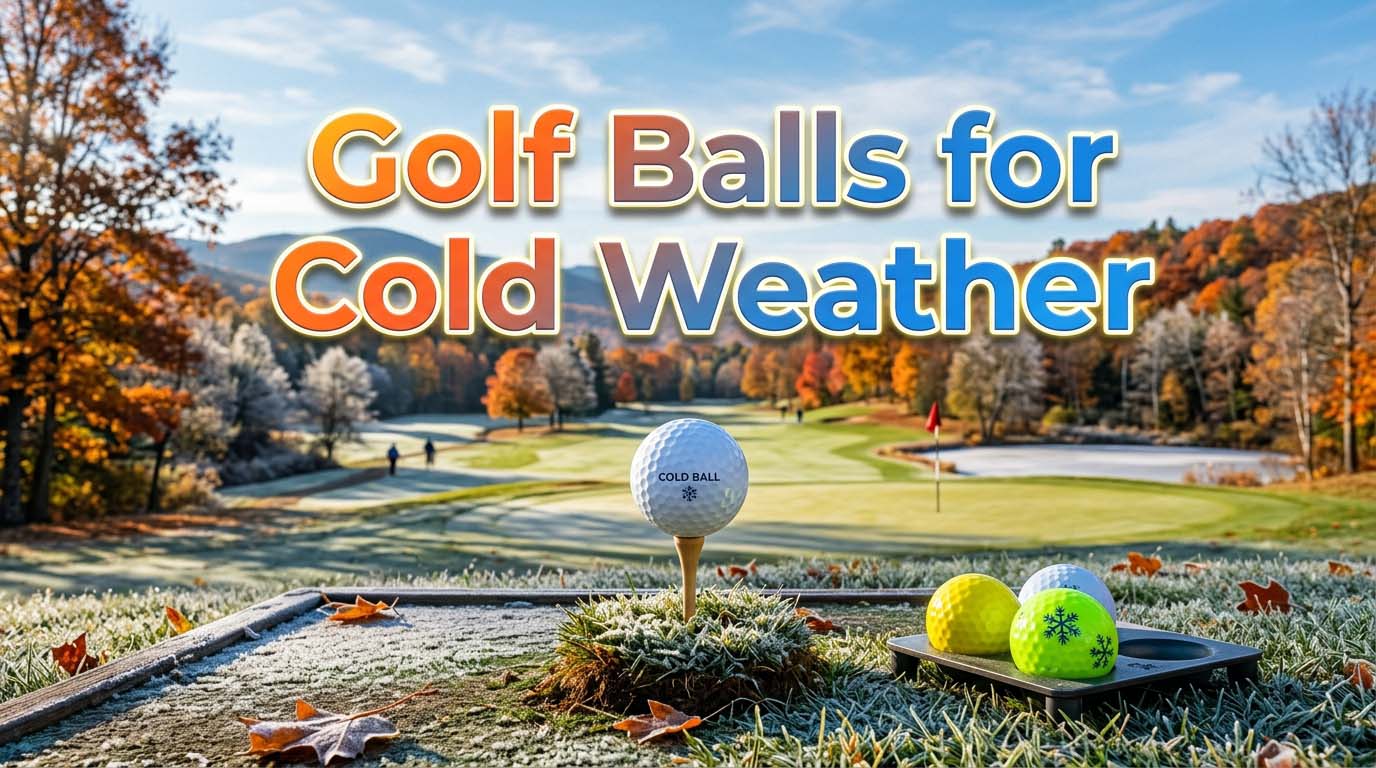
Golf balls for cold weather: whether low-compression really helps, what actually changes ball flight, and the free trick that keeps yours playing normal.
Golf balls for cold weather: whether low-compression really helps, what actually changes ball flight, and the free trick that keeps yours playing normal.
Every golf blog tells the rule differently. Here’s where the actual text lives, which body publishes what, and how to tell a citation from a guess.

Your scorecard says something different from the rulebook. Here’s how Local Rules work, what a committee can and can’t change, and why to check the card first.

You can carry a swing trainer in your bag. Using it during the round is a different question. Rule 4.3a(6), the exceptions, and the penalty.

The rule depends entirely on how the club broke. Rule 4.1b, the outside-influence test, and what to actually do before your next stroke.

Weight, size, symmetry and initial velocity limits, the conforming ball list, and when a distance-ball marketing claim is a red flag, not a feature.
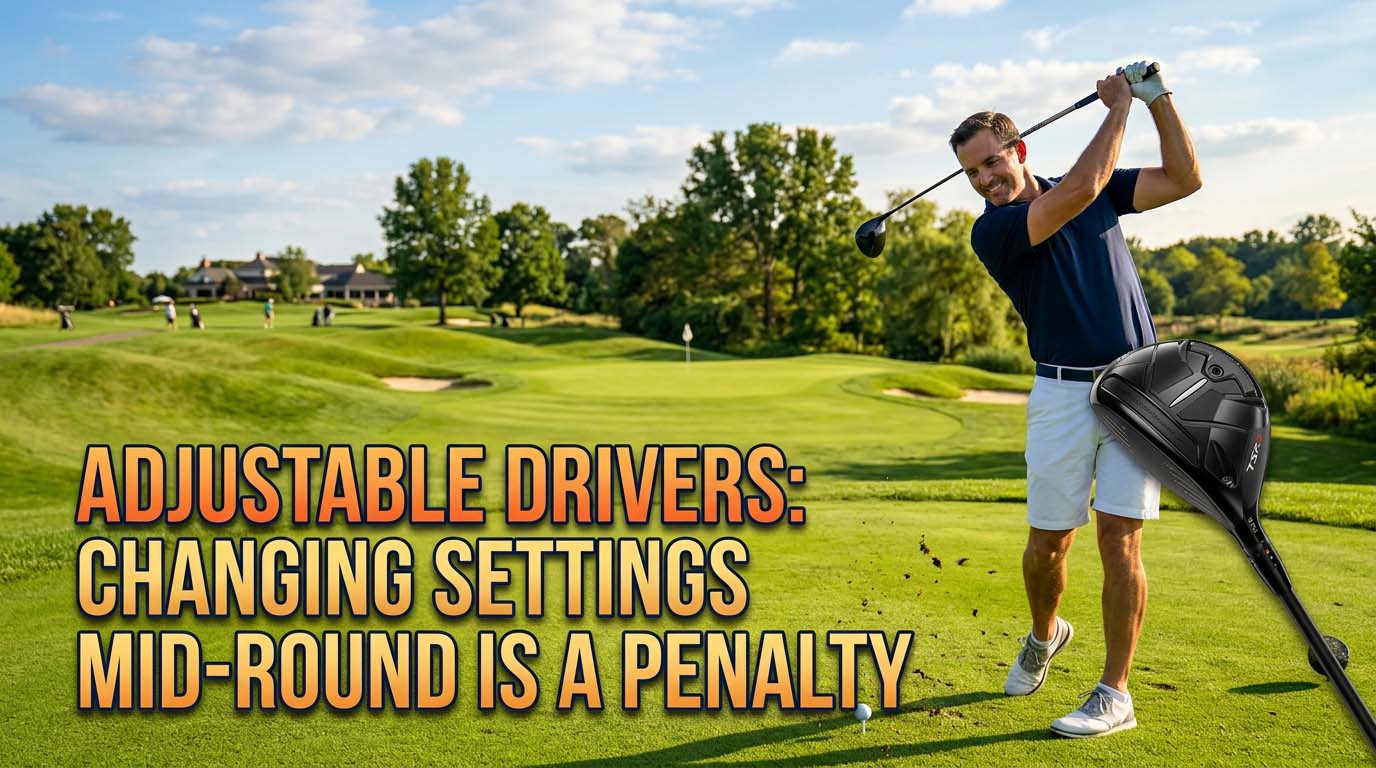
Twisting the hosel on the 4th tee can disqualify you. Rule 4.1a(3), the exact wording, the two exceptions, and what’s actually fine to do between rounds.
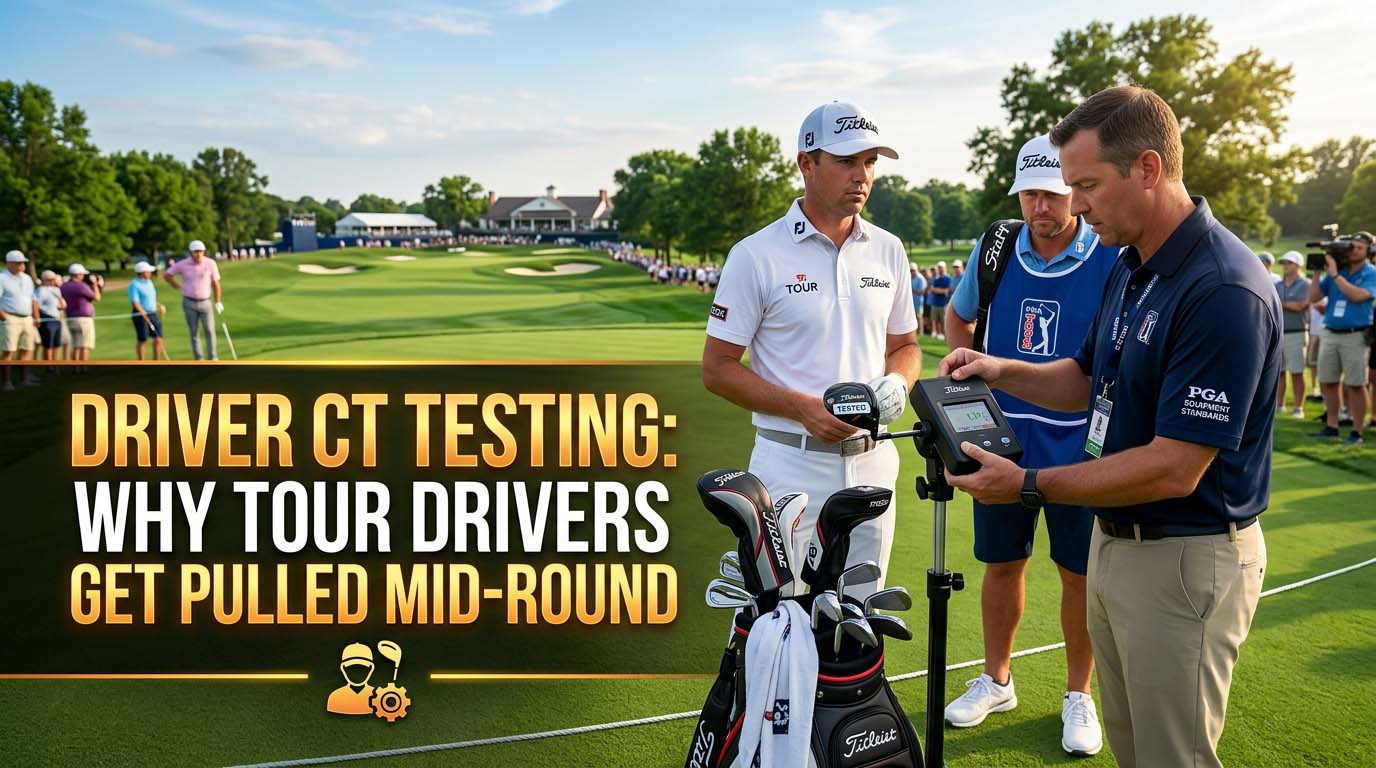
What the CT (characteristic time) test actually measures, the published limit and tolerance, and whether it’s something an amateur should worry about.
For almost all casual and club play, yes. The groove rule is a condition of competition, not a blanket rule. Here’s who it actually applies to.

The two things that usually make a driver non-conforming, the actual size limits, and when using one is and isn’t a rule breach.