Lie Angle: The Spec That Aims You Somewhere Else

A club that is too upright points left at impact for a right-hander, before the swing gets a say. What lie angle is, and the two ways it is measured.
 billow
A club that is too upright points left at impact for a right-hander, before the swing gets a say. What lie angle is, and the two ways it is measured.

The number on the sole is a name, not a measurement. How to check what your own irons are lofted at, and what that does to a distance comparison.
Graphite was the lightweight option for people who needed one. It is now a weight and damping choice, and the old framing survives mostly in shop conversation.
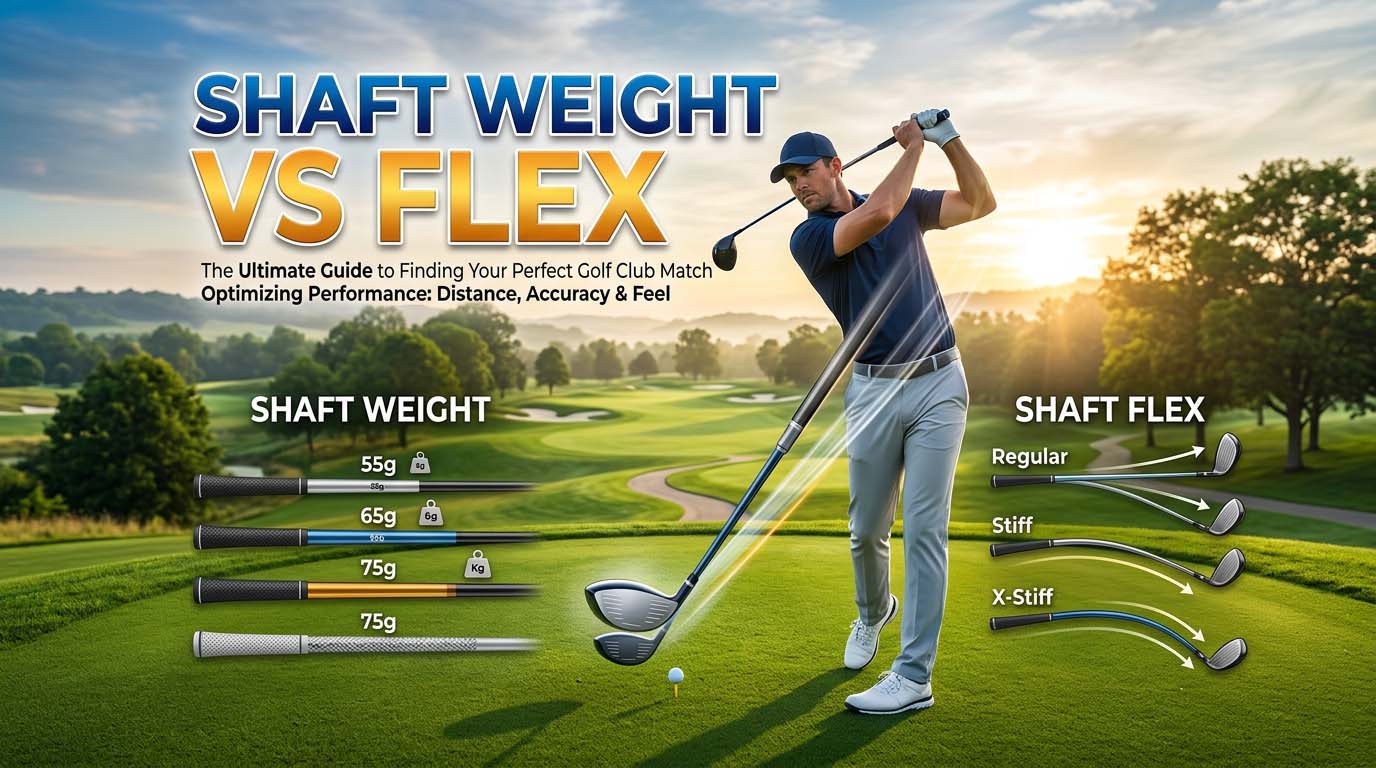
Weight is published in grams and means the same thing everywhere. Flex is a label with no standard behind it. Only one of those is a specification.
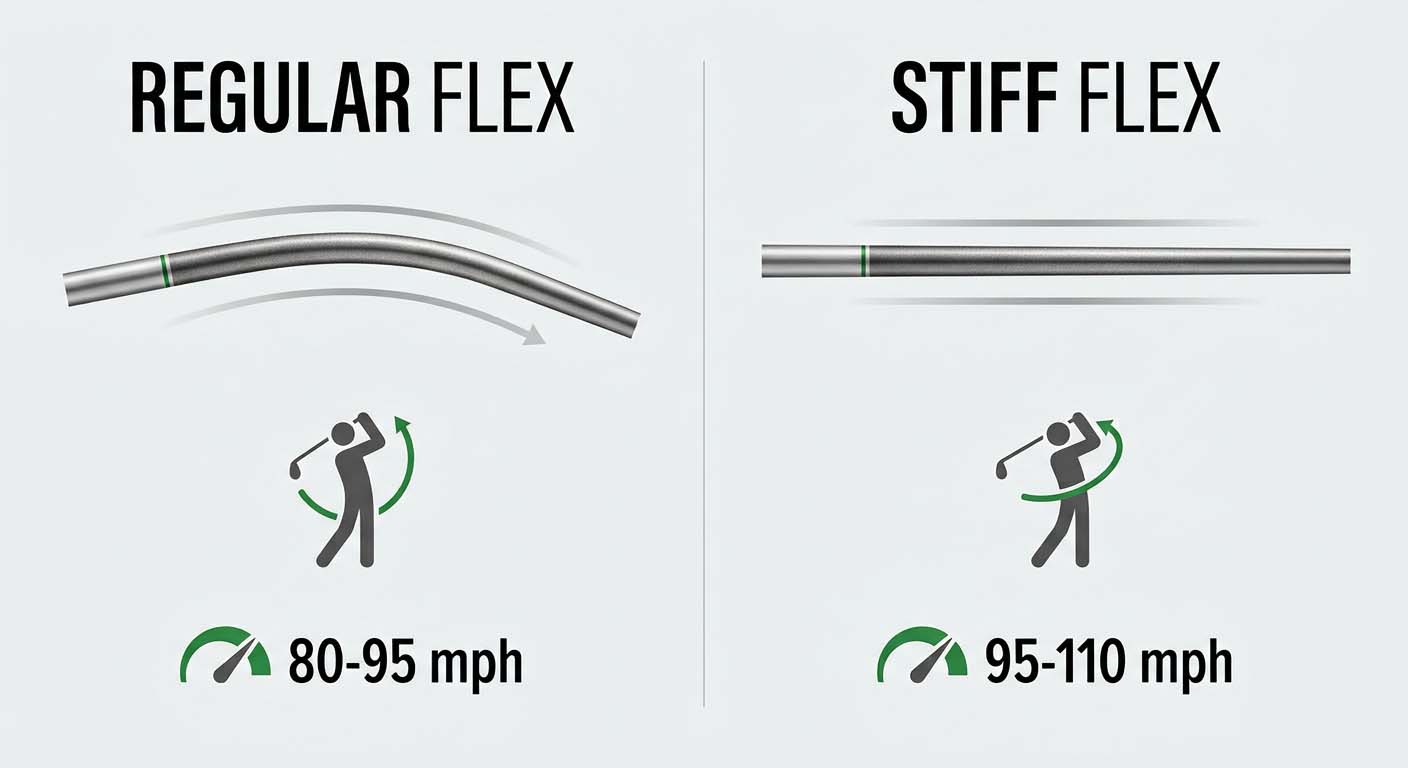
Being between two flexes is not a close call you have to break. It means the chart has run out of resolution, and three other specs decide it instead.
Every flex chart disagrees because no maker publishes a flex standard. What R and S actually mean, and the two specs that are measurable instead.
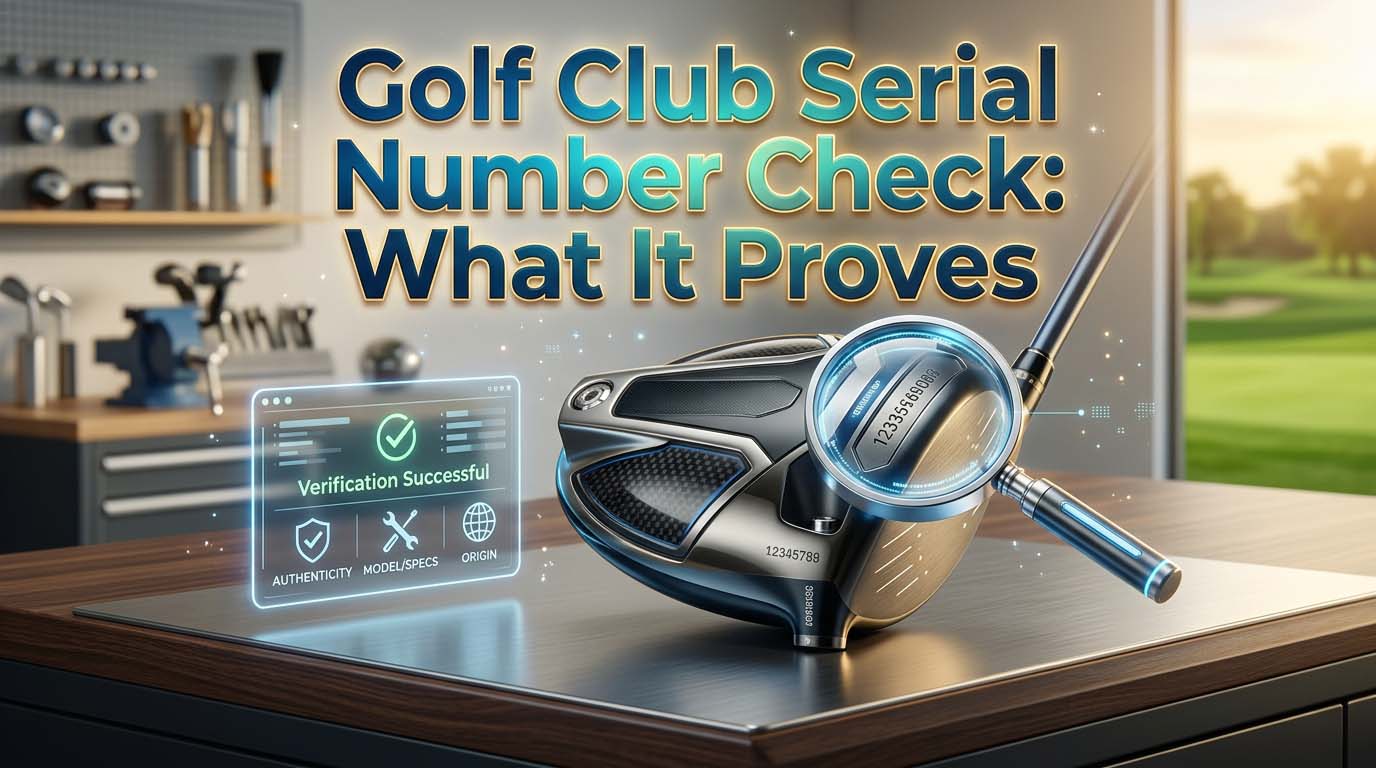
A serial number confirms a club exists in a manufacturer’s records. It does not prove the club you’re holding is that one. What each brand offers.

A trade-in quote is a wholesale price, not market value. What sets the number, what store credit really costs you, and when to sell privately.
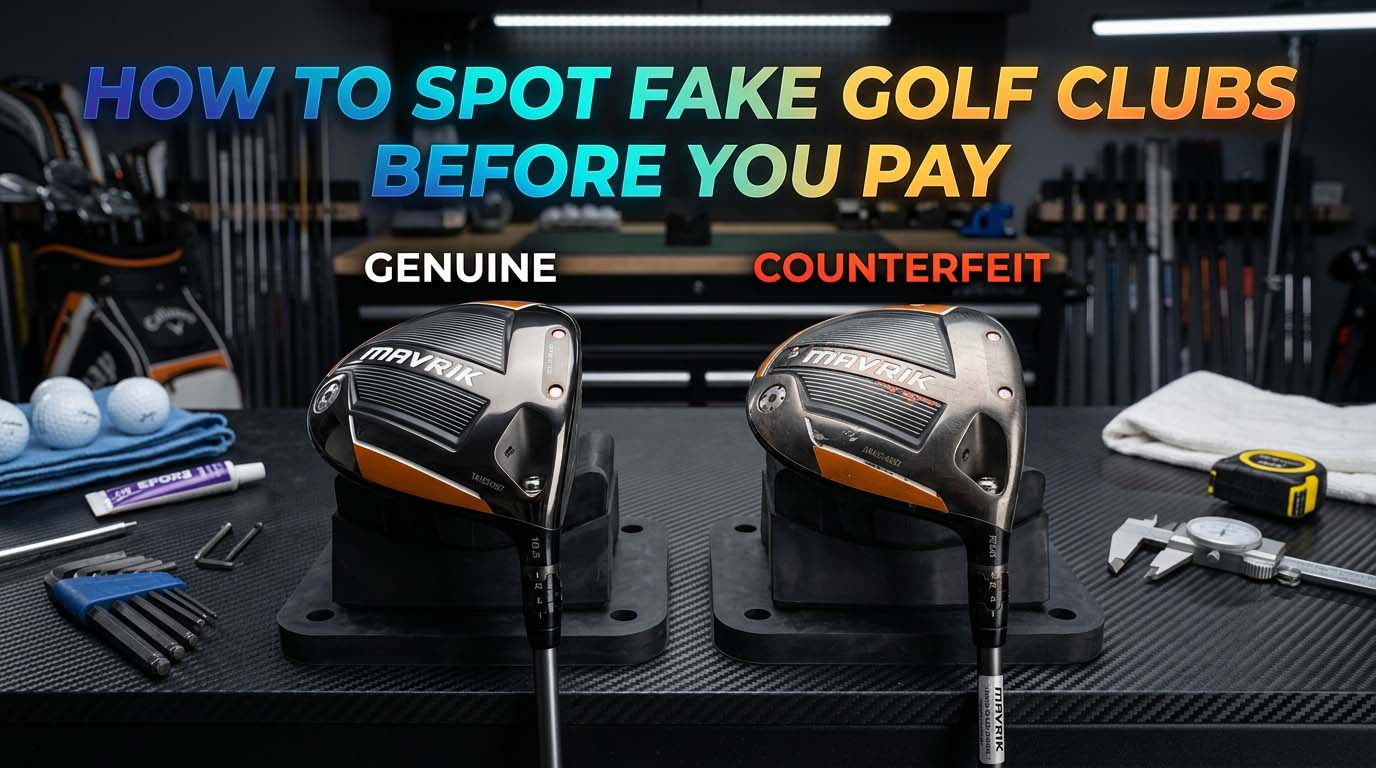
Counterfeit clubs pass a glance test. Here is the physical inspection that catches what photos and prices don’t, plus what to check before buying.
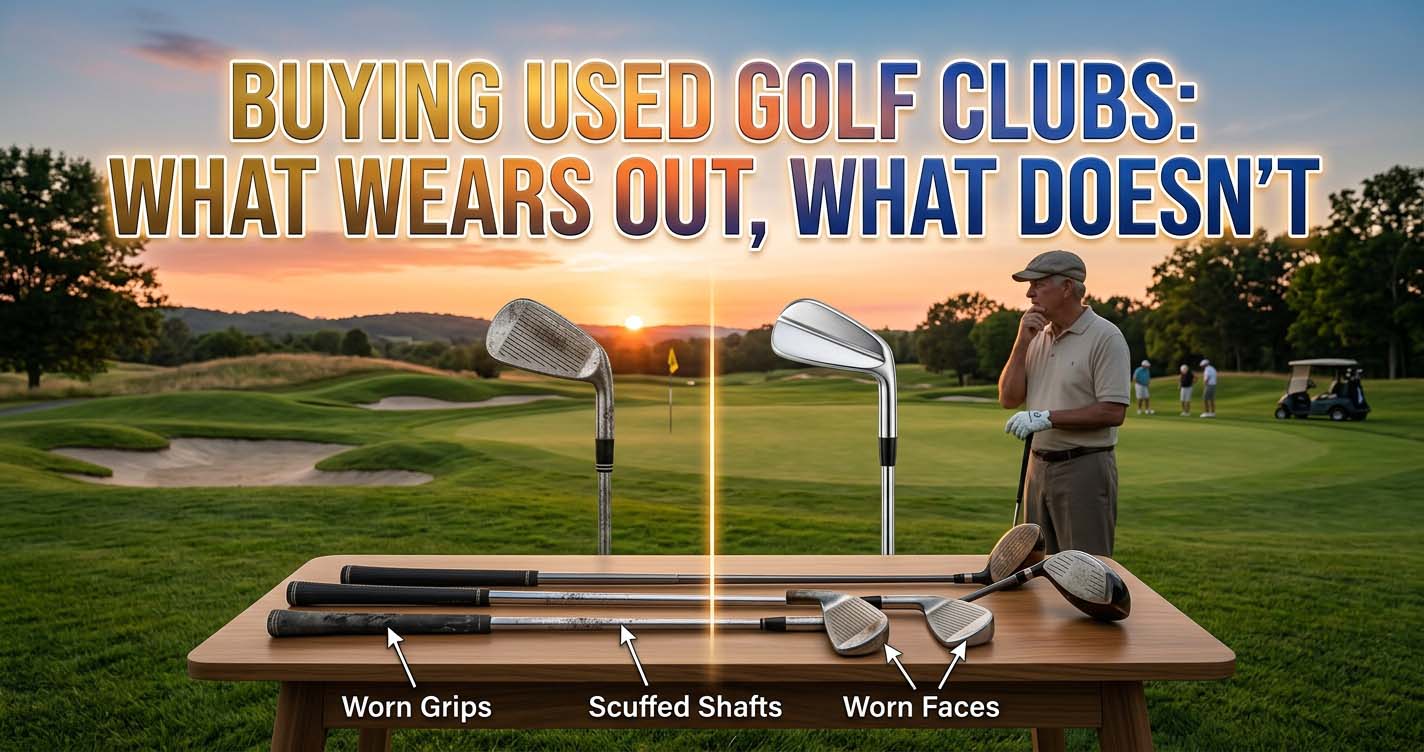
Not every part of a golf club wears at the same rate. Here is what to check before buying used, what to ignore, and when used becomes a risk.