Golf Course Safety: The Four Risks That Actually Hurt People
Golf course safety comes down to four real risks: lightning, carts, ball and club strikes, and heat. See what NWS, CDC and injury research say to do.
Golf course safety comes down to four real risks: lightning, carts, ball and club strikes, and heat. See what NWS, CDC and injury research say to do.
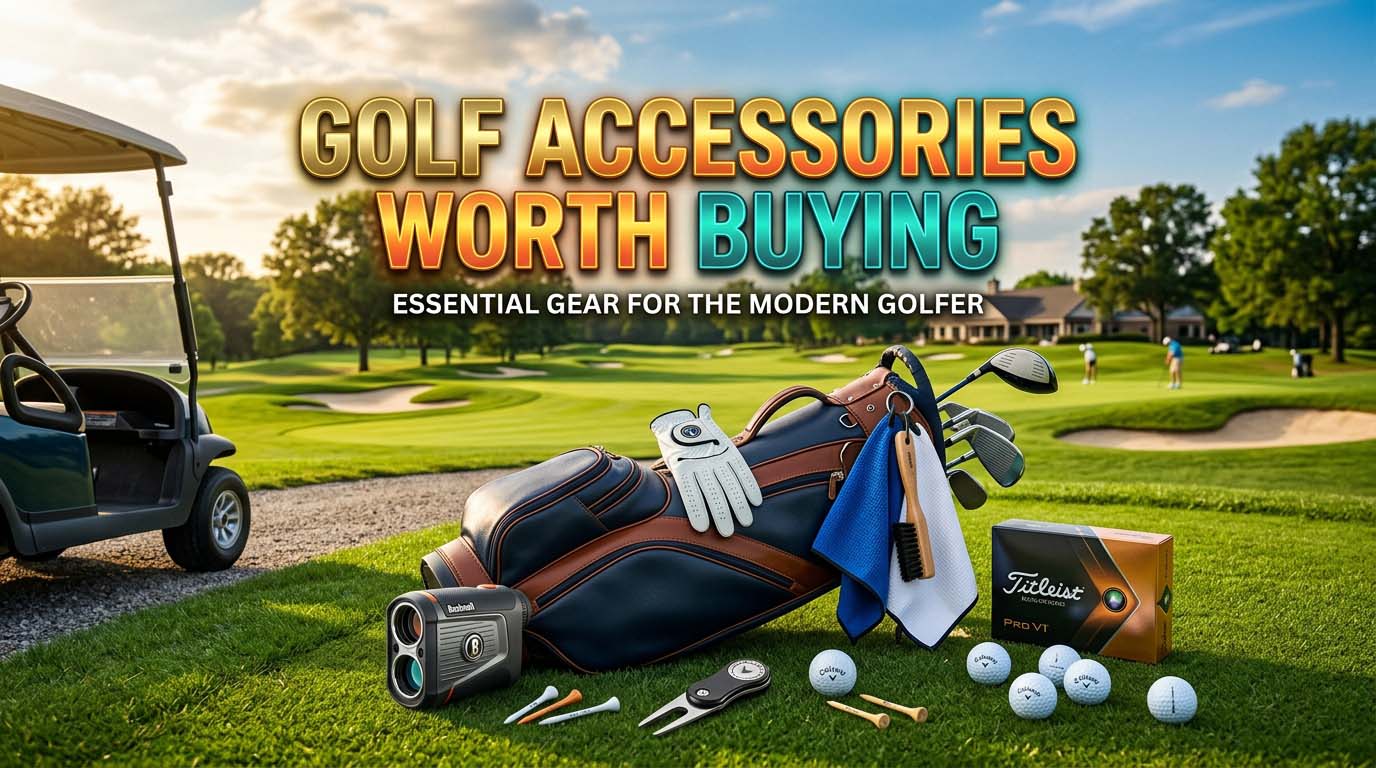
The golf accessories worth buying are a short list: a repair tool, markers, a towel, a glove and a distance source. See what earns space and what doesn’t.
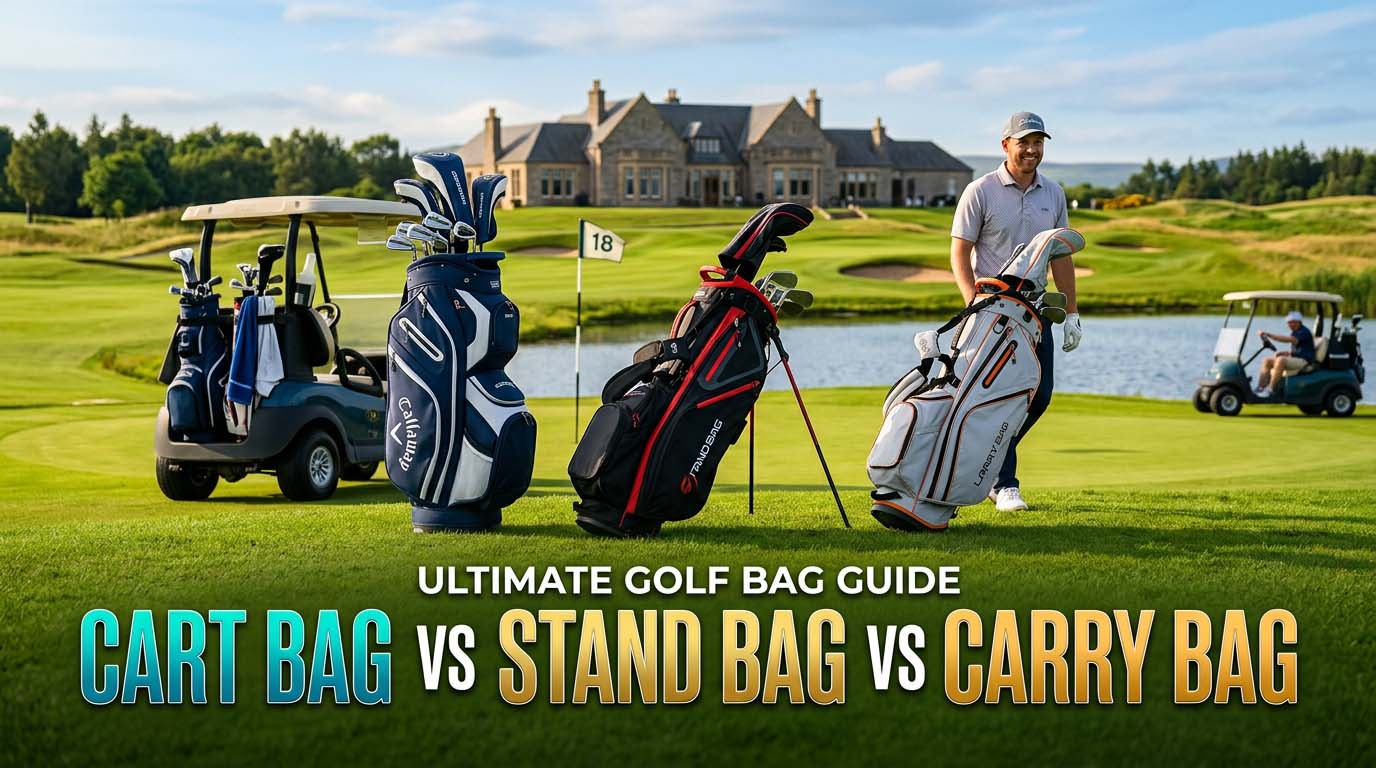
Cart bag vs stand bag comes down to how your clubs travel: riding, pushing or carrying. Match the bag to that and avoid buying the wrong one twice.

An offshore listing at a steep discount can cost you the maker’s warranty and add counterfeit risk. What Callaway, TaylorMade and CBP say first.
Most custom golf club orders can’t be returned or canceled once submitted. What makers’ policies say, what counts as their error, and your options.
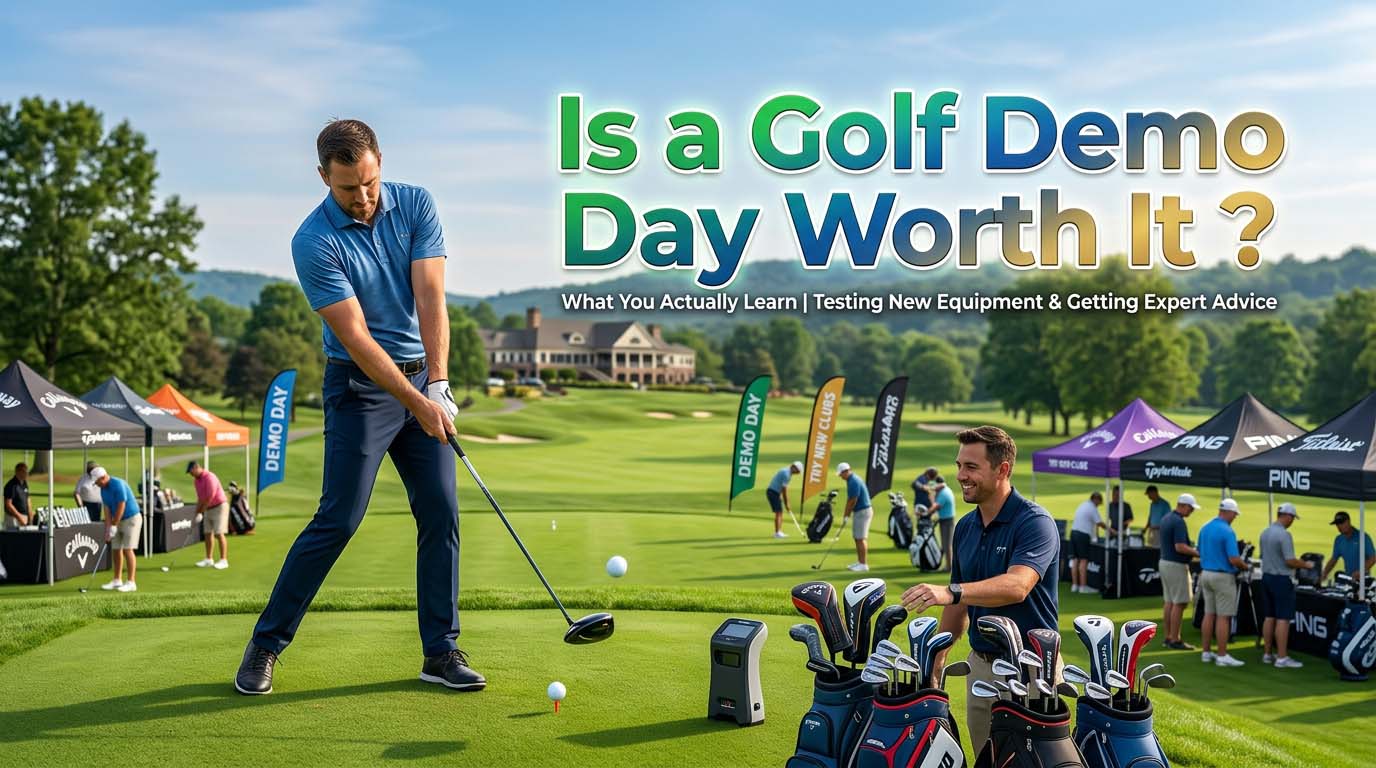
Demo days and store hitting bays let you try clubs before you commit. What you can learn there, what you can’t, and how to leave with real numbers.
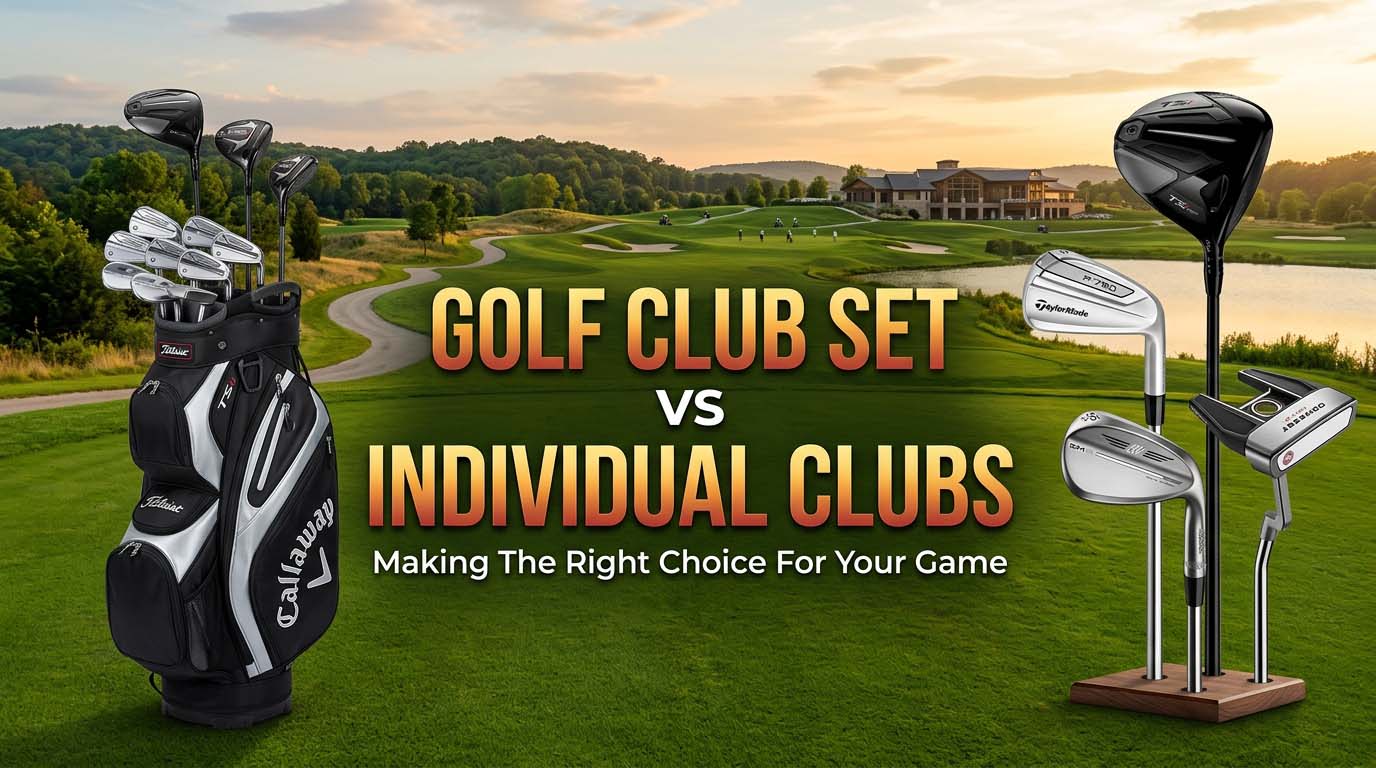
A boxed set solves loft gapping in one purchase; building a bag solves fit and skips clubs you won’t hit. How to choose, and the mixed-bag trap.
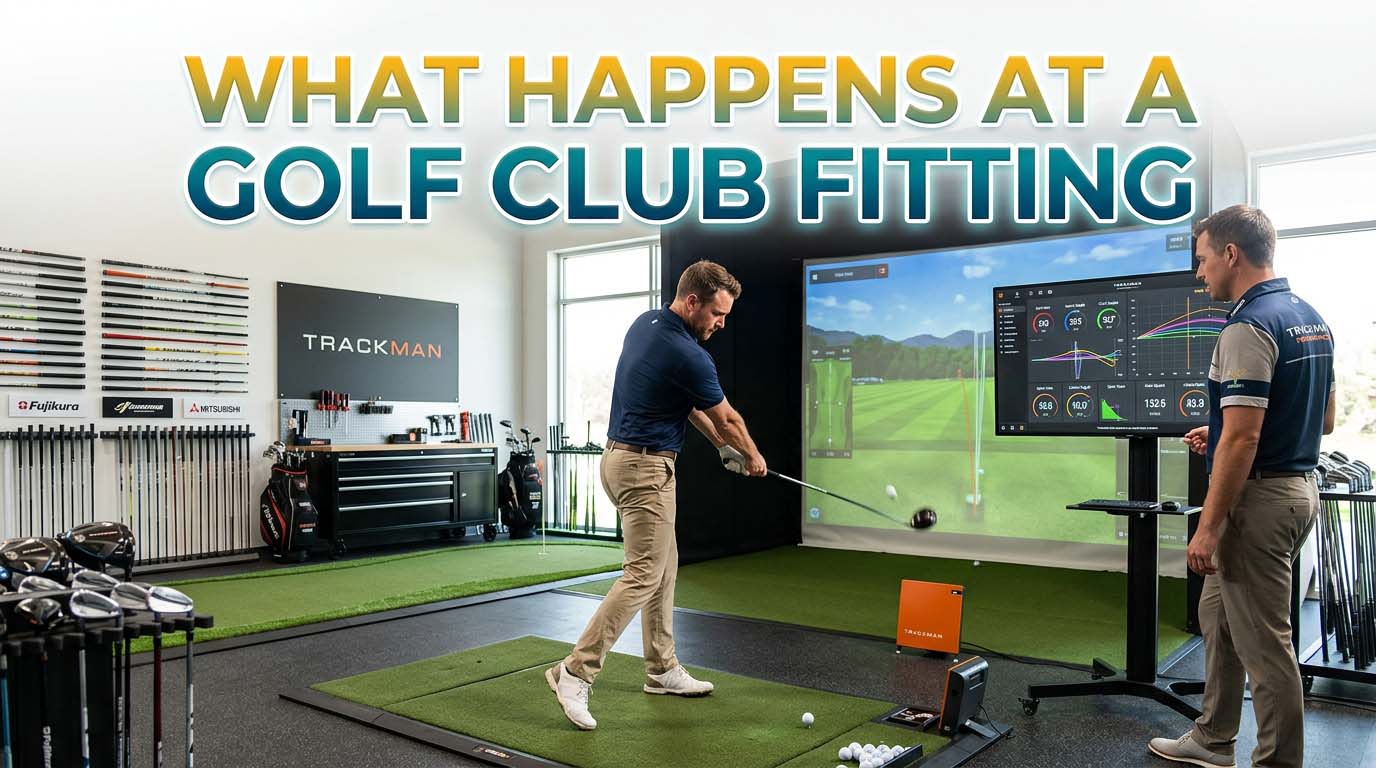
What a golf club fitting involves from booking to spec sheet: the interview, baseline swings, head and shaft testing, and leaving without buying.
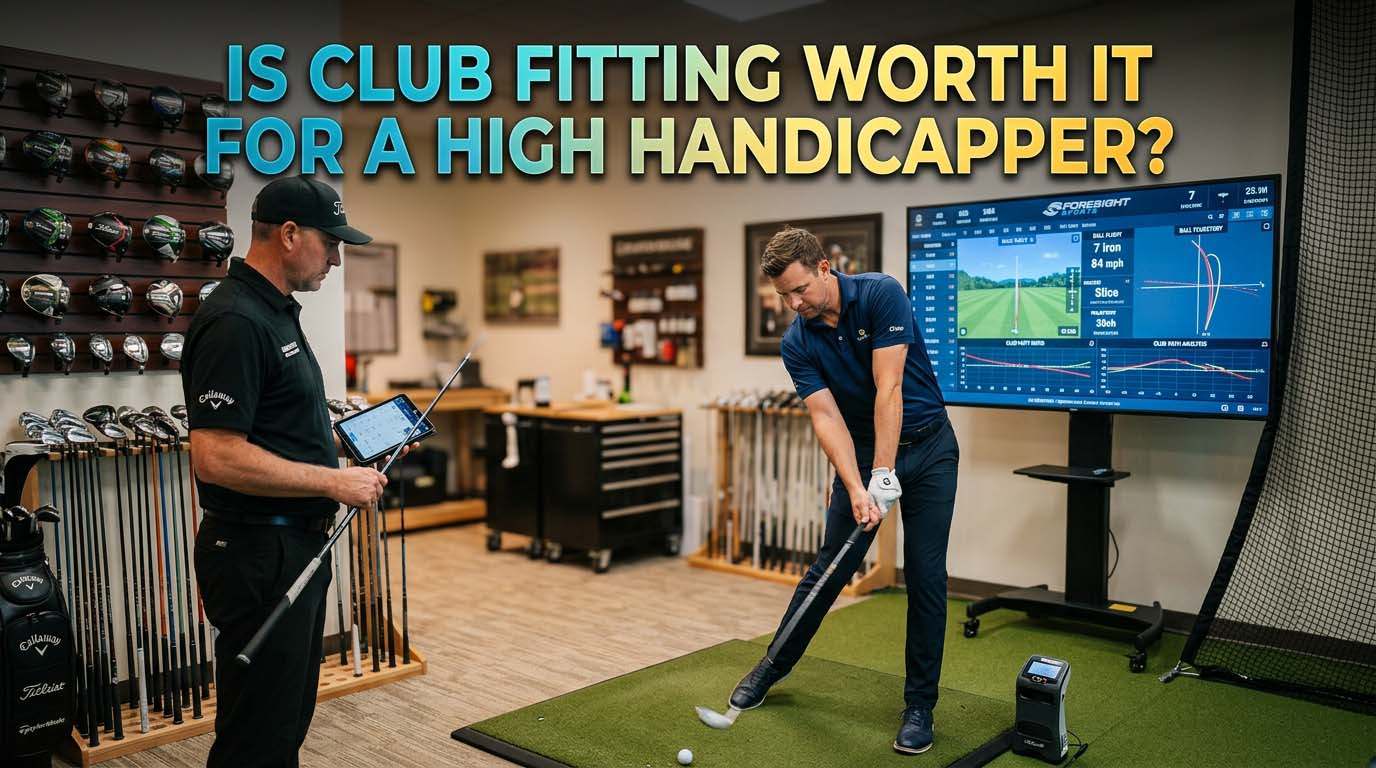
At a 20 handicap, a fitting pays off on length, lie, grip and shaft weight, not on chasing distance. When to get fitted and when to book lessons first.
A serial number confirms a club exists in a manufacturer’s records. It does not prove the club you’re holding is that one. What each brand offers.